Source Waterproof Rotomolded Ice Chest for Picnics Hiking Camping
Compare 22 waterproof rotomolded ice chest options from verified suppliers. These insulated coolers feature varying capacities, ice retention times, and customization options for picnics, hiking, and camping needs. Explore models with polyurethane or foam insulation, handle designs, and logo printing services to find the right fit for your outdoor activities.
Key considerations
Products List


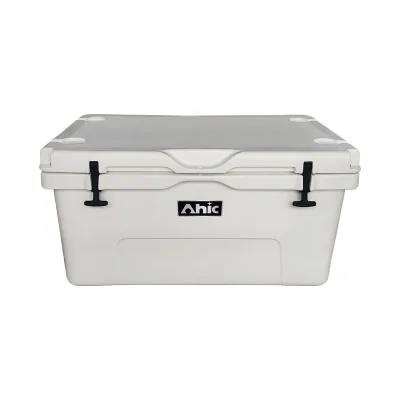


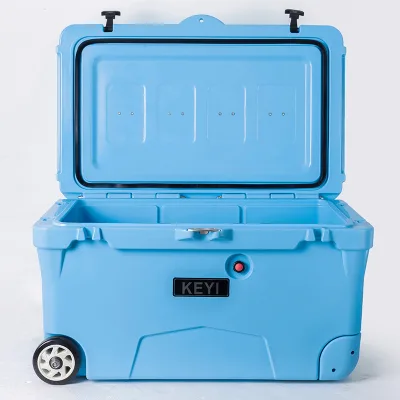
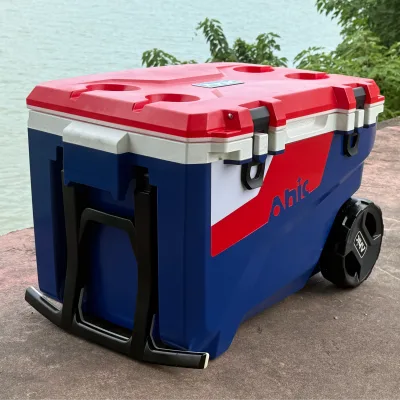
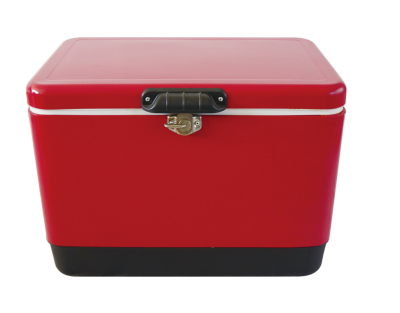
Comprehensive Sourcing Guide
Waterproof Rotomolded Ice Chest Sourcing Guide
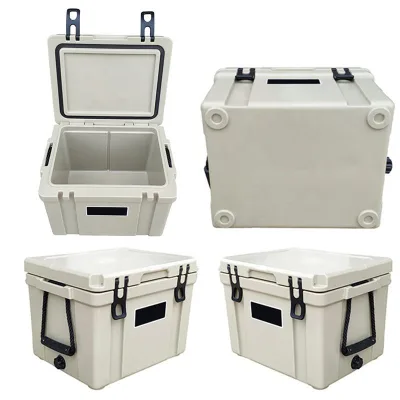
Procuring a waterproof rotomolded ice chest requires careful attention to material integrity and insulation performance, as these units are designed for extended cold retention in demanding environments. Buyers should verify that the product utilizes polyurethane or foam insulation to ensure the advertised ice-holding capabilities, which can range from six to seven days depending on the specific model configuration. The construction must be robust enough to withstand rough handling during transport and use, particularly for applications like picnics, hiking, camping, and beach trips where durability is paramount.
When evaluating listings, buyers must distinguish between various capacity standards and physical dimensions to match the specific logistical needs of their operation. Observed data indicates models ranging from 65 liters to 125 liters, with corresponding net weights varying significantly from 8.5 kilograms to 24.5 kilograms. It is critical to confirm the exact carrying options, such as integrated handles, and the closure mechanisms, like latches, to ensure the unit meets the ergonomic and security requirements of the intended user base before finalizing any purchase order.
Product Scope and Observed Listing Signals
The market for these coolers presents a diverse range of customization options, including logo printing and color variations that extend beyond standard white to include gray, red, purple, and other custom shades. Buyers should note that while some listings specify a single color, others offer a broader palette or fully customized made-to-order solutions, which can impact the lead time and minimum order quantity required for production. Understanding these variables is essential for aligning the product selection with brand identity and specific event requirements.
Listing signals also reveal significant variations in packaging and shipping metrics that directly affect logistics planning and cost estimation. Products are typically packed in cartons with PE bags, with carton sizes varying from approximately 56 by 42 centimeters to 94 by 58 centimeters. The gross weight of these units can range from 9.5 kilograms to 26.5 kilograms, and delivery times for large shipments, such as a 40-foot container, are generally estimated between 20 and 25 days. These factors must be integrated into the supply chain strategy to avoid delays and unexpected freight costs.
Technical Specifications to Verify
Insulation performance is a primary technical differentiator, with observed data indicating ice-holding times of up to seven days for specific high-capacity models. Buyers must verify the specific insulation type, whether polyurethane or foam, and confirm the claimed cold retention period under realistic usage conditions. The product standard often references volume capacities like 69 quarts or 90 quarts, which should be cross-referenced with the actual liter measurements provided in the specifications to ensure accurate capacity planning for the end-user.
Physical durability and structural integrity are equally critical, with many units featuring a partial hardness rating and a non-disposable design intended for long-term reuse. The bearing capacity of these coolers is often specified to exceed 10 kilograms, ensuring they can support the weight of heavy loads without structural failure. Additionally, the waterproof attribute is a key specification that must be validated through testing or certification to guarantee that the unit remains watertight during submersion or exposure to heavy rain, protecting the contents from moisture damage.
Compliance and Safety Documentation
While specific certification documents are not explicitly listed in the provided product data, buyers must request evidence of material safety and food-grade compliance for any cooler intended to store consumables. The plastic material used in construction should be verified as non-toxic and suitable for direct food contact, ensuring that no harmful chemicals leach into the stored items over time. This verification is particularly important for commercial applications where the cooler will be used for catering, outdoor events, or professional supply chains.
Safety documentation should also address the mechanical integrity of the closure systems and handles, which are subject to repeated stress during transport. Buyers should inquire about the testing protocols used to validate the latch mechanisms and handle strength, ensuring they meet industry standards for load-bearing capacity. Without explicit certification data in the listing, the procurement process must include a request for third-party test reports or manufacturer declarations of conformity to mitigate liability risks associated with product failure.
Cost Drivers and Commercial Terms
The commercial terms for these units are heavily influenced by the minimum order quantity, which varies between 50 and 100 pieces depending on the specific model and customization level. Buyers must account for these MOQ thresholds when planning their inventory, as smaller orders may incur higher per-unit costs or require consolidation with other buyers to meet production run requirements. The price range observed in the market spans from 7 to 150 USD, reflecting the significant variance in capacity, features, and customization options available.
Lead times and delivery schedules are additional cost drivers that must be factored into the total landed cost calculation. Standard delivery times are noted as 20 days for general orders, while larger shipments like a 40-foot container may require 20 to 25 days for processing and transit. These timelines can fluctuate based on the complexity of the customization, such as logo printing or specific color requests, and buyers should build buffer time into their procurement schedules to accommodate potential production delays or logistical bottlenecks.
Supplier Qualification and Quality Control
Supplier qualification should focus on the manufacturing location and the consistency of their production processes, with many units originating from Zhejiang, China. Buyers must assess the supplier's ability to maintain consistent quality across different production batches, particularly regarding the insulation thickness and the waterproof integrity of the rotomolded shell. Establishing a clear communication channel for quality assurance is essential to ensure that the final product matches the specifications provided in the initial listing.
Quality control measures should include pre-shipment inspections that verify the physical dimensions, weight, and functional performance of the coolers. Buyers should request sample units to test the ice-holding time and waterproof capabilities before committing to a large order, ensuring that the product meets the expected performance standards. Additionally, verifying the packing method, such as the use of carton boxes and PE bags, is crucial to prevent damage during transit and to ensure the product arrives in sellable condition.
Long-Term Procurement Checks
Long-term procurement success depends on establishing a reliable supply chain that can consistently meet demand without compromising on quality or delivery timelines. Buyers should monitor the supplier's ability to scale production while maintaining the specified ice-holding times and material standards, as these are critical factors for customer satisfaction and brand reputation. Regular audits of the manufacturing process can help identify potential issues early and ensure that the supplier remains compliant with agreed-upon specifications.
Continuous evaluation of the product's performance in the field is also necessary to validate the initial claims and identify any areas for improvement. Buyers should gather feedback from end-users regarding the durability of the handles, the effectiveness of the latches, and the overall insulation performance to inform future purchasing decisions. By maintaining a proactive approach to supplier management and product verification, buyers can ensure a steady supply of high-quality waterproof rotomolded ice chests that meet their evolving business needs.
FAQs
What customization options are available for the ice chest?
Customization is available for logo printing and color selection. Buyers can choose from white, gray, or request customized made options. The product supports logo printing to meet branding needs while maintaining the standard waterproof and insulated features required for outdoor use.
How long can the cooler keep ice frozen inside?
The cooler can keep ice frozen for up to seven days depending on the specific model. Some units offer six days of insulation time while others reach seven days. This performance relies on the polyurethane or foam insulation type used in the construction.
Which specifications define the capacity of these coolers?
Specifications include models like G1-85L, G4-125L, and G1-65L with capacities ranging from 69 quarts to 125 liters. The large size ensures ample storage for picnics, hiking, and camping trips. Each model has distinct carton sizes and weight specifications for shipping planning.
Can I order a small quantity of these coolers?
Yes, you can order as few as 50 pieces for some models. Other models may require a minimum order quantity of 100 pieces. The observed MOQ range spans from 1 to 1000 units, allowing flexibility for different buyer needs and budget constraints.
What is the delivery time for a full container shipment?
Delivery time is typically 20 to 25 days for one 40HQ container. Some specific orders may be completed within 20 days. This lead time applies to shipments originating from Zhejiang, China, ensuring timely arrival for your business requirements.
How much does the product weigh for shipping purposes?
Net weights vary by model, ranging from 8.5 kilograms to 24.5 kilograms. Gross weights are slightly higher, typically between 9.5 kilograms and 26.5 kilograms. These weights are essential for calculating shipping costs and determining the bearing capacity of the carrying handles.
What materials are used to construct the cooler body?
The cooler body is constructed from durable plastic with polyurethane or foam insulation. This material combination ensures the unit is waterproof and keeps contents fresh. The design includes a latch for secure closure and handles for easy carrying during outdoor activities.